


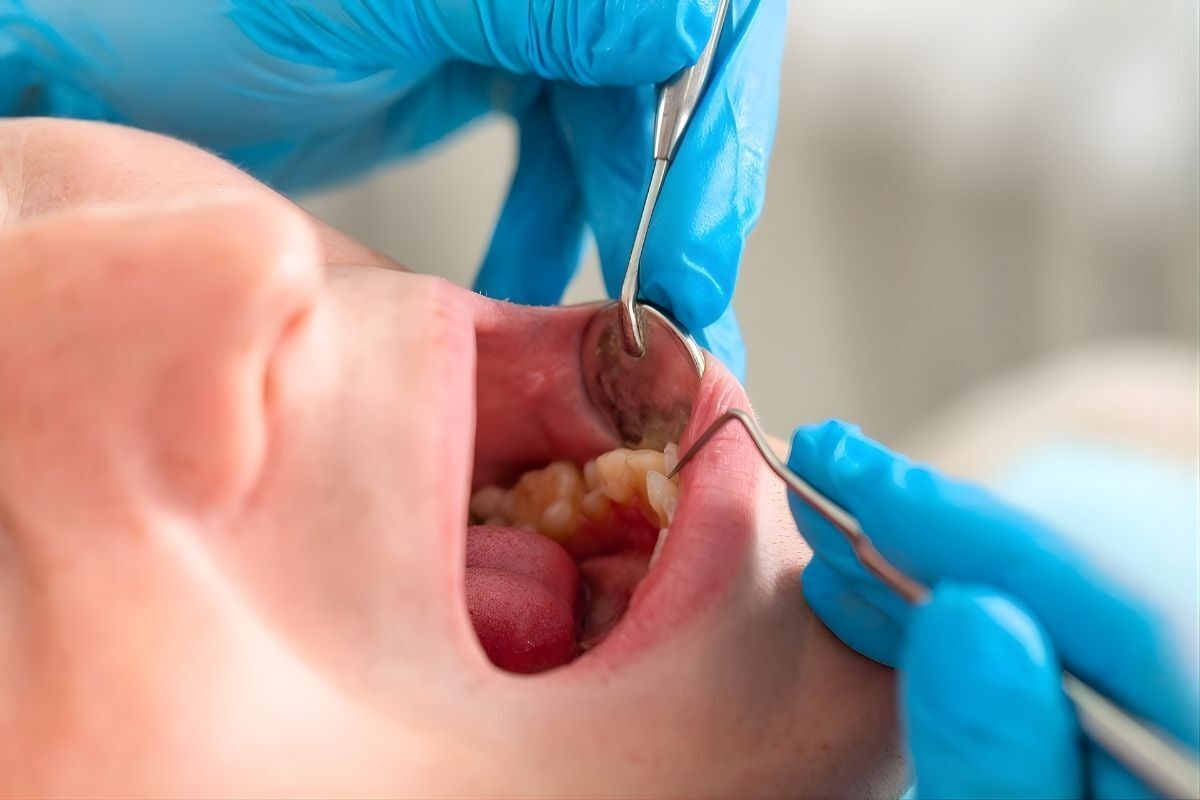
When misalignment between the upper and lower jaws causes difficulty chewing, speaking, or even breathing, turning to oral surgery can be a smart step. These conditions often go beyond simple orthodontic shifts and require specialized interventions that an experienced professional can provide.
What Happens When Your Bite Or Jaws Don’t Fit Together?
When your upper and lower jaws do not meet properly, it is known as malocclusion. When it happens, the result may not only affect how you bite but also facial symmetry, jaw‑joint (TMJ) stress, and overall comfort.
When braces alone cannot correct the underlying skeletal discrepancy, a certified oral surgeon in Sarasota may perform necessary procedures. They help reposition one or both jaws, enabling the teeth and joints to function harmoniously.
How Are Teeth And Jaw Positioning Treated Through Oral Surgery?
The process begins with a detailed evaluation – imaging, bite analysis, joint assessment, and collaboration between orthodontists and surgical specialists. Treatment often includes realigning the jaws via surgical cutting and repositioning (orthognathic surgery), followed by braces to fine‑tune the alignment.
Once the bones have healed, a dental team works on final adjustments. Patients often experience improved chewing function, reduced joint pain, and a more stable bite. These improvements are part of addressing corrective jaw surgery for bite problems and jaw repositioning for bite correction.
Who Is The Right Candidate For Dental Surgery?
If you are dealing with persistent jaw pain, chronic headaches tied to your bite, difficulty chewing, or an open bite that does not self‑correct, you might be a candidate for this kind of surgical care.
On the other hand, if the misalignment is purely dental (teeth‑related) and not skeletal, then orthodontics alone may suffice.
Benefits You Can Expect From Oral Surgery For Bite Correction
1. Improved Chewing and Speaking
When jaws are realigned, the muscles, joints, and teeth all work better together.
2. Reduced Joint Stress
Restoring balance in the bite lessens pressure on the TMJs and surrounding structures.
3. Better Long-Term Stability
A proper skeletal relationship supports your teeth and bones more effectively over time.
4. Enhanced Appearance and Comfort
Jaw repositioning can also create a more balanced facial profile and reduce strain during everyday movements.
Key Considerations Before The Oral Surgery Begins
- The Surgery Process: Jaw surgery for jaw alignment is often performed in a dental office or outpatient setting, depending on the severity of the issue. The procedure may take 1-4 hours.
- Recovery And Follow-Up Care: Adequate recovery and follow‑up orthodontics matter as healing timelines can vary and require commitment to post-treatment care.
- Risks And Preparation: As with any major procedure, risks, preparation, and post-operative care are vital to success.
How Can We Help?
If you have been living with a bite that just does not feel right or jaws that ache, our team at Optimal Dental Care is here to guide you. We combine the latest surgical techniques with thoughtful follow‑through care to ensure your comfort and long‑term results. So, instead of waiting, visit our dental practice to get a full evaluation of your alignment concerns.
Ready to act? Book an appointment today and take the first step toward a healthier, stronger bite. Our team is ready to support you. With our oral surgery in Sarasota, we will help you rebuild function, comfort, and confidence in your smile.
FAQs
What are the signs that require corrective jaw surgery instead of just braces?
Persistent difficulty chewing, chronic jaw or TMJ pain, speech issues, or a visible open‑bite may indicate skeletal misalignment rather than just crooked teeth. These symptoms suggest the need for more advanced intervention beyond orthodontics alone.
How long does recovery take after jaw realignment treatment?
Most patients can return to school or work within 2 to 4 weeks, but full functional healing may take several months to a year, depending on the complexity. Patience is key, as the bones and joints gradually stabilize to support your new bite.
Will jaw surgery affect my facial appearance?
Yes, surgical repositioning can enhance facial symmetry and improve the alignment of the upper and lower jaws, often resulting in a more balanced profile. While aesthetics are a benefit, the primary goal remains restoring proper function and bite alignment.
What kind of specialists collaborate for jaw alignment procedures?
A multidisciplinary team, typically involving an orthodontist and an oral surgeon, coordinates treatment planning, surgical correction, and post‑surgery orthodontic adjustments. This integrated approach ensures the oral surgeon handles the skeletal modifications while the orthodontist refines the teeth.
Are there non‑surgical options to try before jaw alignment surgery?
In cases where the misalignment is primarily dental (teeth‑related) rather than skeletal, orthodontic treatment or functional appliances may suffice, thereby avoiding treatment. However, when the jaws themselves are structurally misaligned, surgery becomes the definitive solution.
New Patients Appointment Welcome!