


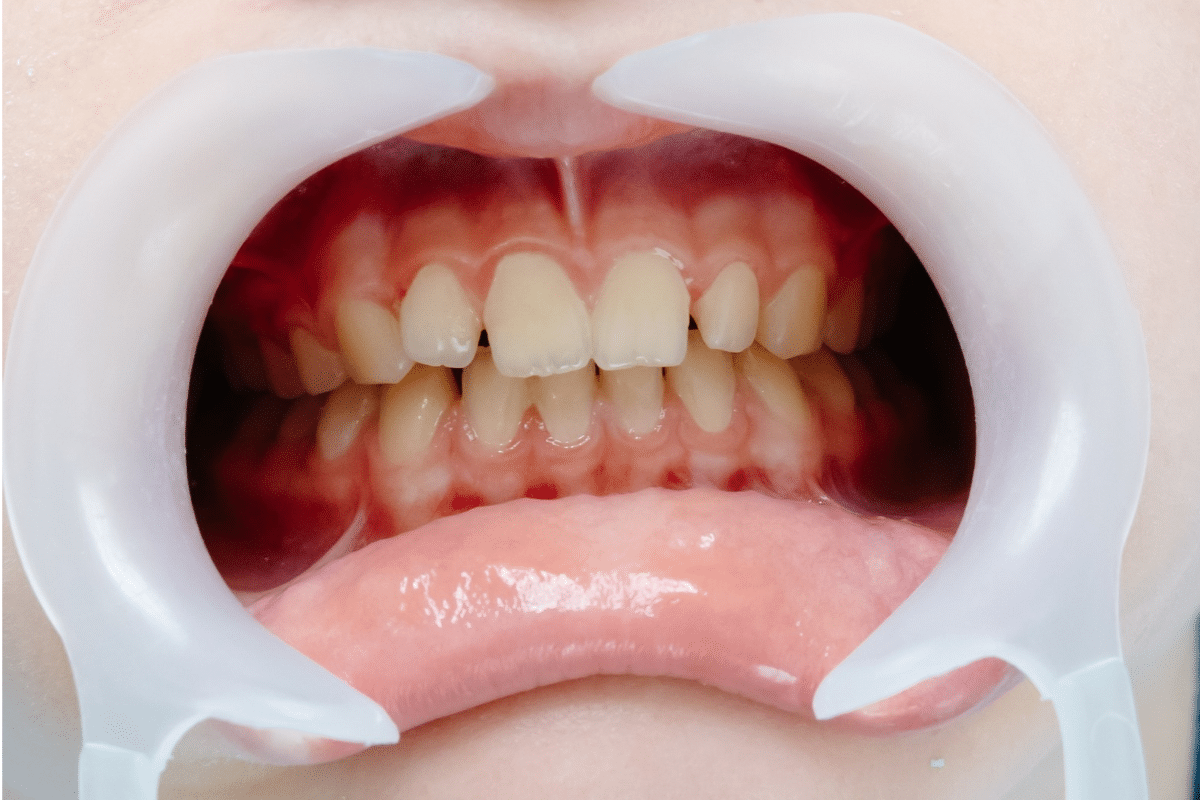
A loose dental crown or filling may seem like a minor problem, especially if there is no pain or discomfort. However, delaying treatment can leave the affected tooth exposed to bacteria, food particles, and further damage. If you notice that a crown is moving, a filling feels loose, or a piece of dental work has fallen out, contact your dentist promptly. Getting the tooth examined early can help prevent complications and may reduce the need for more extensive treatment. For Sarasota residents, seeking timely care from a trusted dentist in Sarasota is an important step toward protecting their oral health.
Why Do Dental Crowns and Fillings Become Loose?
Dental crowns and fillings are designed to restore damaged teeth and help them function normally. However, they may become loose or fall out over time for several reasons.
Some common causes include:
- Normal wear and tear: Years of chewing, biting, and everyday use can gradually weaken dental restorations.
- Tooth decay: New decay around the edges of a filling or crown can affect the tooth structure and weaken its support.
- Teeth grinding: Repeated pressure from grinding or clenching can place excessive stress on dental work.
- Sticky or hard foods: Chewing hard candy, ice, or sticky foods may loosen or dislodge an existing restoration.
- Changes in the underlying tooth: A crack, fracture, or breakdown of the natural tooth can affect how securely a crown or filling stays in place.
Understanding the cause is important because simply replacing the restoration may not solve the underlying problem.
What Happens If You Ignore a Loose Crown or Filling?
A loose restoration creates an opening where bacteria and food debris can collect. Even if the tooth does not hurt, the exposed area may become vulnerable to additional problems.
Here are some possible consequences of delaying dental care.
1. Increased Risk of Tooth Decay
When a filling becomes loose, the tooth underneath may be exposed. Bacteria can enter the damaged area and cause additional decay. If the problem progresses, the tooth may require more than a simple replacement filling.
2. Tooth Sensitivity and Discomfort
A missing or unstable restoration can expose sensitive areas of the tooth. You may experience discomfort when drinking something hot or cold, eating sweets, or biting down. What begins as mild sensitivity can become more noticeable without appropriate treatment.
3. Cracks or Further Tooth Damage
A dental crown protects a weakened tooth by covering its visible portion. If it becomes loose, the underlying tooth may be more vulnerable to pressure during chewing. Continuing to use the tooth without treatment can increase the risk of cracks or fractures.
4. Infection in the Tooth
If bacteria reach the inner portion of the tooth, the damage may progress toward the dental pulp. In some cases, this can lead to inflammation or infection that requires root canal treatment.
Early evaluation can help identify these concerns before they become more complicated.
Signs You Should Contact a Dentist About Your Crown or Filling
Not every loose restoration causes immediate pain. Paying attention to small changes can help you recognize when professional attention is needed.
Look out for these warning signs:
- Your crown moves slightly when you bite or chew.
- A filling feels rough, uneven, or different when your tongue touches it.
- You notice a gap around the edge of a crown.
- Food frequently gets trapped around the restored tooth.
- You experience sensitivity when eating or drinking.
- Part of a filling or crown has broken off or fallen out.
- You feel discomfort when applying pressure to the tooth.
If you experience severe pain, facial swelling, fever, or signs of spreading infection, seek urgent dental attention.
What Should You Do Before Your Dental Appointment?
If your crown or filling becomes loose, a few precautions can help protect the affected tooth until you receive professional care.
- Avoid chewing on that side: Putting pressure on the affected tooth may cause additional damage or dislodge the restoration completely.
- Stay away from hard and sticky foods: Choose softer foods and avoid chewing gum, caramel, nuts, and hard candies.
- Keep the area clean: Brush gently around the affected tooth and floss carefully to prevent food particles from collecting.
- Save the restoration if it falls out: If you can safely retrieve a crown or filling, keep it in a clean container and bring it to your appointment.
- Do not use household glue: Never try to attach a crown or filling with ordinary glue or other household adhesives. These products are not intended for use inside the mouth.
Most importantly, do not wait for pain to develop before contacting a dental professional.
How Can a Dentist Treat a Loose Crown or Filling?
The right treatment depends on the condition of the restoration and the remaining natural tooth structure. During your visit, your dentist will examine the affected area and may recommend dental X-rays to check for decay, cracks, or other underlying concerns.
Depending on the findings, treatment may include:
- Replacing a filling: If the tooth is still healthy and has enough natural structure, the old filling can be removed and replaced.
- Recementing a crown: If the crown and underlying tooth are in good condition, the crown may be cleaned and secured again.
- Replacing a damaged crown: A new crown may be necessary if the existing one is cracked, worn, or no longer fits properly.
- Additional restorative treatment: If significant decay or damage is present, a larger restoration or root canal treatment may be needed.
At Optimal Dental Care, patients in Sarasota can have their dental concerns evaluated to determine the appropriate treatment for their needs.
Conclusion
A loose crown or filling should never be dismissed simply because it does not cause immediate discomfort. Dental restorations protect vulnerable teeth, and when they become unstable, the underlying tooth may be exposed to decay, fractures, and infection. Recognizing the warning signs and arranging an examination early can help preserve your natural teeth and prevent more extensive dental work.
If you have noticed a loose crown, a missing filling, or changes in an existing restoration, contact Optimal Dental Care to schedule an appointment. A timely evaluation can help determine what your tooth needs and keep your oral health on track.
New Patients Appointment Welcome!