


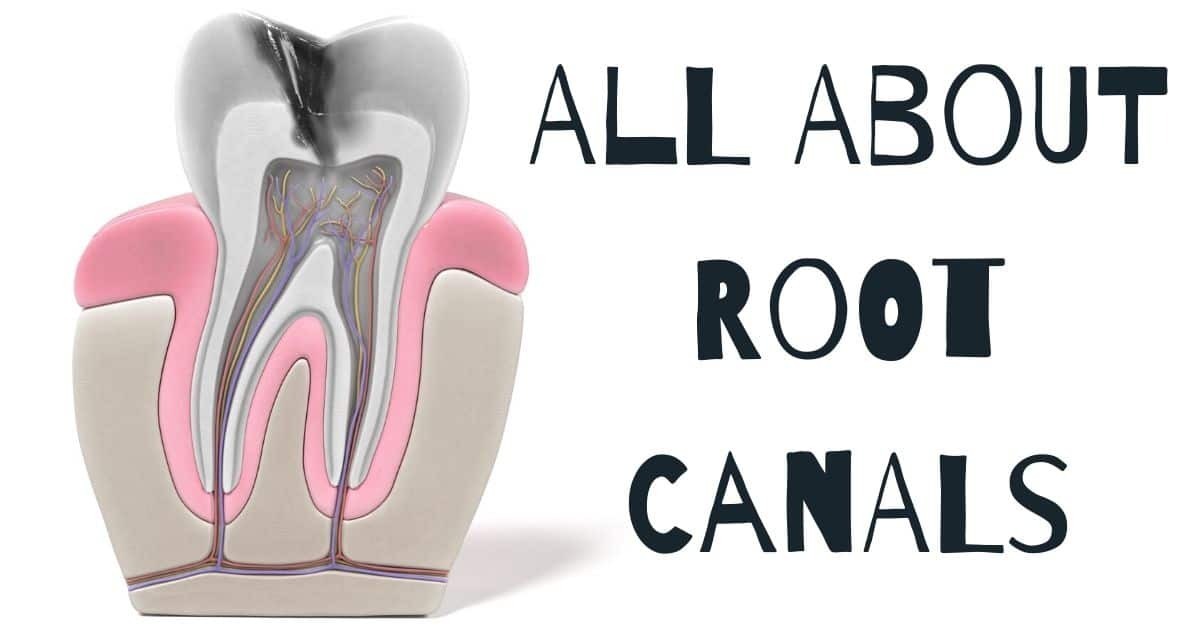
Picture this, you are chomping away on nuts and cheese when suddenly you hear a loud crack. You know what’s happened but you dare not move your tongue around in your mouth to make a dreaded discovery. After a sigh and deep breath, you discovered the cracked or broken tooth. Heart ache sets in at the thought of signs that you are getting on in life, and the thought of a dentist bill. With a sigh, you call your dentist and make an appointment. After a few x-rays and a look of impending doom, the dentist utters the words no one wants to hear: “You need a root canal”. With acquiescence the procedure begins, but as you lay there throughout the procedure, you wonder what a root canal really is?
What is a root canal?
A root canal is a dental procedure to clean out infection and save a tooth from any further damage as a result of the bad bacteria that has infected and hurt the structure of the tooth. This is a relatively painless treatment, but it is very serious and can take 2 to 3 appointments to complete the process. In a nutshell, the dentist drills into your teeth and cleans out the affected area. If there is too much to take out, then you may need a crown to cover up the exposed, but healthy tooth.
Causes that lead to a root canal
A root canal is caused by inflammation in the teeth caused by bad bacteria. This can come from not doing basic things such as brushing your teeth and flossing however it must be noted that there are some elements of genetics involved with oral health issues such as inbreeding or other health concerns and medications.
How can a dentist tell if I need a root canal or not?
A dentist will start with an X-Ray and oral examination. Some signs of needing a root canal are clear such as chipped teeth, tender or swollen gums or a sensitivity to hot and cold. After reviewing the X-rays, the dentist will make a recommendation as to what would be the most appropriate course of action. Predominately this would be a root canal, but it can also end up being a simple filling.
Dangers of a root canal
The biggest danger when it come to a root canal is your wallet. The procedure is expensive and has a failure rate. The average cost of a root canal is $700-$900. Sometimes damage can be done to your tooth as a result of the root canal and this can lead to you losing the tooth that the procedure was performed on. It is more dangerous to go without treatment. A rotten tooth could kill you and the bacteria known as plaque is what causes heart disease. Healthy teeth equal a healthy heart.
Benefits of a root canal
The benefits of a root canal are exhibited through a change in oral health as a result of the infection being cleaned out. Root canals stop the spread of infections to other teeth or areas of the mouth. Root canals can help stop bone degeneration. Other benefits include the ability to eat right again (if you were in pain) and an overall positivity that comes with a healthy mouth.
Post-op care
Your dentist will give you a list of post-op instructions and prescriptions for pain medication while your tooth and you recover from the procedure. So long as you care for your teeth and exercise proper hygiene, then you should have positive results from your procedure. So long as no damage was done during the procedure then you should enjoy a normal life.
Root canals are not the procedures they once were. Root canals have a high rate of success rate among patients who follow proper oral hygiene rules and take care of their overall health. Root canals are time consuming but the rewards outweigh and risks or time spent having the procedure. As always, it is up the patient what they choose to do. If you have been recommended a root canal and are not sure if you should proceed it is always a good idea to get a second opinion.
Call our to make an appointment with a dentist who may be able to help you find out more about this topic, and improve your oral health.
New Patients Appointment Welcome!