


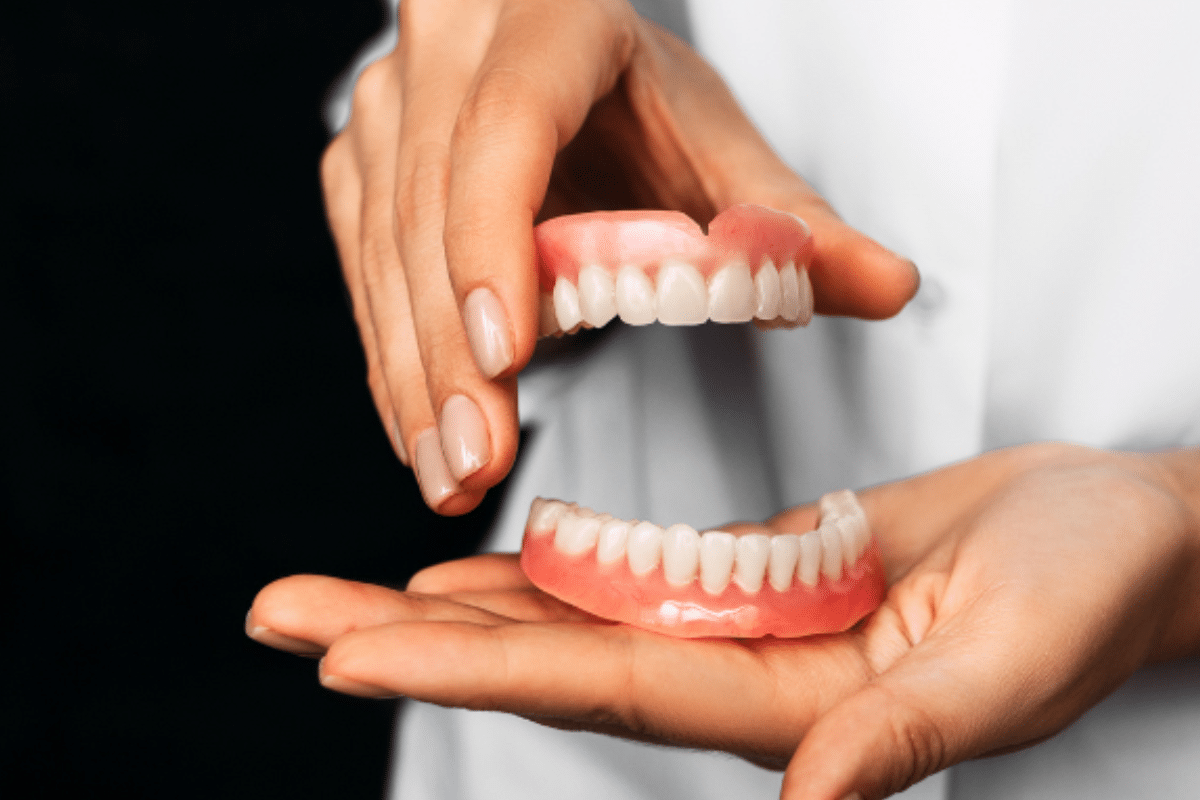
Losing several teeth can make everyday activities like eating, speaking, and smiling more difficult. When multiple teeth are missing but some natural teeth remain, partial dentures can be a practical way to restore your smile without replacing every tooth. These removable dental appliances fill the gaps, improve chewing ability, and help maintain the appearance of your natural smile. For individuals considering partial dentures treatment in Sarasota, understanding how these appliances work, who can benefit from them, and what to expect can help make the decision easier.
What Are Partial Dentures?
Partial dentures are removable dental appliances designed to replace one or more missing teeth when a person still has healthy natural teeth remaining. They consist of replacement teeth attached to a base that resembles natural gum tissue. Depending on the design, they may also include small clasps or other attachments that help keep the appliance in place.
Unlike complete dentures, which replace an entire row of teeth, these appliances are designed to fit around existing natural teeth. They can be made using different materials, including acrylic, metal frameworks, or flexible materials, depending on the patient’s dental condition and treatment needs.
When Do Partial Dentures Make Sense?
Not everyone with missing teeth needs the same replacement option. However, there are several situations where removable partial dentures may be worth considering.
1. When Several Teeth Are Missing but Others Remain
If you have lost multiple teeth but still have healthy teeth in your upper or lower jaw, a partial appliance may help fill those spaces. It provides replacement teeth without requiring all your remaining natural teeth to be removed.
This option can be particularly useful when missing teeth are spread across different areas of the mouth.
2. When Chewing Becomes Difficult
Missing teeth can make it harder to bite and chew certain foods. You may find yourself avoiding foods that require more chewing or relying heavily on one side of your mouth.
Replacing missing teeth can help distribute chewing forces more evenly and make eating more comfortable. A properly fitted appliance can also improve your ability to manage a wider variety of foods.
3. When Nearby Teeth Begin Shifting
Natural teeth help maintain the spacing and alignment of your smile. When a tooth is lost, neighboring teeth may gradually move toward the empty space.
This movement can affect your bite and make cleaning between teeth more difficult. Replacing missing teeth with an appropriate dental appliance can help maintain the space and reduce unwanted shifting.
4. When You Want a Removable Tooth Replacement Option
Some people prefer a tooth replacement option that can be removed for cleaning and maintenance. Partial dentures treatment in Sarasota offers this flexibility.
They can be taken out for daily cleaning and while sleeping, depending on your dentist’s instructions. This makes them a convenient option for individuals who prefer not to have a fixed restoration.
What Are the Different Types of Partial Dentures?
The right design depends on how many teeth are missing, where the gaps are located, and the condition of your remaining teeth.
- Acrylic partial dentures: These appliances use an acrylic base to support replacement teeth. They may be suitable for temporary use or certain long-term situations.
- Cast metal partial dentures: These have a metal framework that provides strength and support while keeping the appliance relatively slim.
- Flexible partial dentures: Made from flexible materials, these appliances can offer a different fit and appearance for patients who are suitable candidates.
Your dentist can evaluate your oral health and recommend a design based on your specific needs.
How Do Partial Dentures Compare With Dental Implants?
Both options replace missing teeth, but they work differently. Partial dentures are removable and generally do not require surgical placement. Dental implants, on the other hand, are placed into the jawbone and support individual replacement teeth or other restorations. The choice depends on several factors, including bone health, the number of missing teeth, overall oral health, personal preferences, and budget.
For patients who want a non-surgical replacement option, removable appliances may be worth discussing. Those looking for a fixed solution may want to explore dental implants.
How Can You Care for Your Partial Dentures?
Proper maintenance helps keep your appliance clean, comfortable, and functional.
Follow these basic care practices:
- Remove and clean your appliance as directed by your dentist.
- Use a denture brush and an appropriate cleaning solution.
- Avoid using hot water, as it can change the appliance’s shape.
- Clean your natural teeth and gums every day.
- Store the appliance properly when it is not being worn.
- Schedule regular dental visits to check its fit and condition.
If your appliance becomes loose, causes sore spots, or feels uncomfortable, avoid adjusting it yourself. Your dentist can determine whether it needs an adjustment or replacement.
What Should You Expect During Partial Denture Treatment?
The process generally begins with a dental examination to assess your remaining teeth, gums, and overall oral health. Your dentist may take impressions or digital scans to create an appliance that fits your mouth. Once the partial denture is ready, it will be fitted and adjusted to improve comfort and stability. You may need some time to get used to speaking and eating with it. Follow-up appointments are important because changes in your gums and natural teeth can affect how the appliance fits over time. Regular evaluations help identify problems early and keep your replacement teeth functioning properly.
Conclusion
Replacing several missing teeth is about more than improving the appearance of your smile. It can also help restore chewing function, support proper tooth spacing, and make everyday activities more comfortable. Partial dentures can be a suitable option when natural teeth remain and a removable replacement is preferred. The best approach depends on your oral health, the location of missing teeth, and your long-term goals. A dental examination can help determine whether this option or another tooth replacement solution is appropriate.
If you are missing several teeth and exploring replacement options, the team at Optimal Dental Care in Sarasota, FL, can help you understand the available treatments. Schedule an appointment to discuss your concerns, evaluate your oral health, and find a tooth replacement solution that supports your comfort and dental needs.
New Patients Appointment Welcome!